
Time, Ownership, and the Present
The Screwtape LettersThis flow explores the struggle to treat time as private property or as a gift demanding attention to present duties.
increasing Bearing strength in each event
 decreasing
Bearing strength in each eventdecreasingTime Claimed as Property
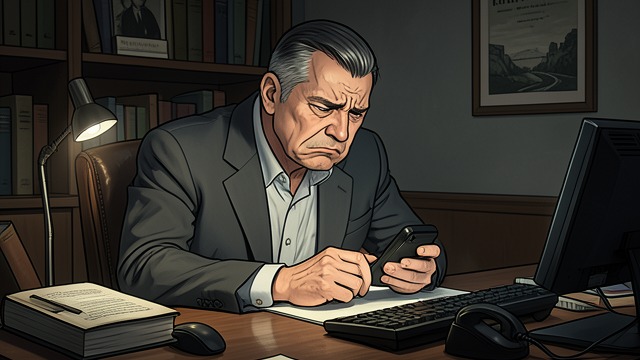
An Invisible Claim
Ownership
The patient may feel that his day belongs to him and that interruptions steal what is rightfully his. This assumption turns courtesy into a perceived loss.
Contradiction
Screwtape notes that the patient neither made nor possesses a moment of time. The claim persists because it is rarely examined, not because it can be defended.
Interruptions Become Injuries
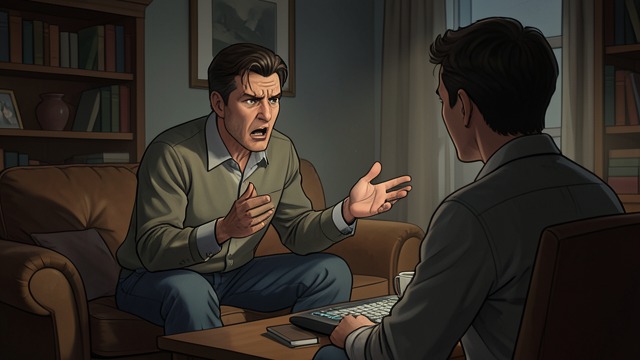
Resentment in Small Demands
Expectation
A visitor or conversation can anger the patient when it displaces the leisure he expected. He treats a planned interval as personal property.
Moral Effect
The sense of injury arises from an assumed entitlement, not merely from inconvenience. Time becomes a basis for refusing ordinary acts of patience and welcome.
The Future as Escape
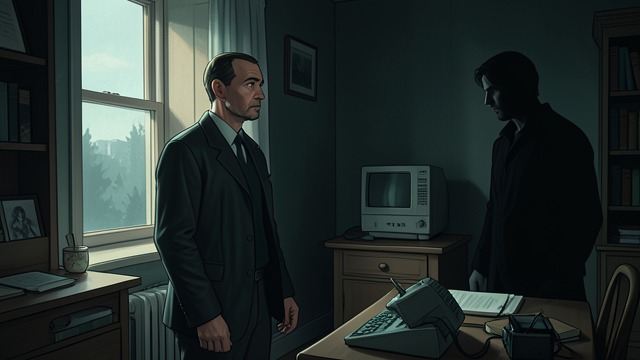
Life Deferred
Anticipation
The patient may place his hopes or fears in an unknown future rather than respond to the present. Political schemes and personal forecasts can absorb his attention.
Contrast
The future is uncertain and vulnerable to fantasy. The present contains the actual duty, grace, and pleasure available to him now.
Present Duty Under Fire
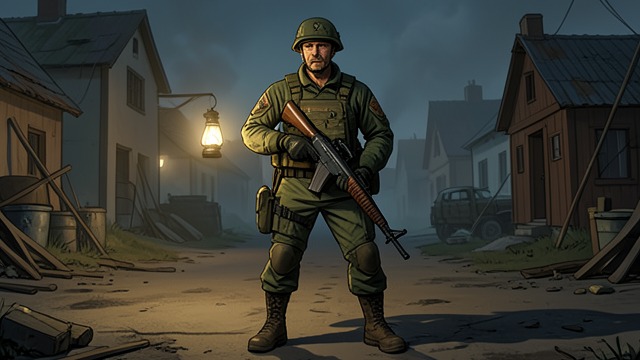
The Moment Received
Responsibility
The patient’s task in the raid is concrete and immediate. He does not need to solve the future of the war before acting responsibly in that moment.
Meaning
His conduct illustrates how time can become a setting for obedience rather than private possession. A dangerous present is still a place where moral choice is possible.
Time Opens Out
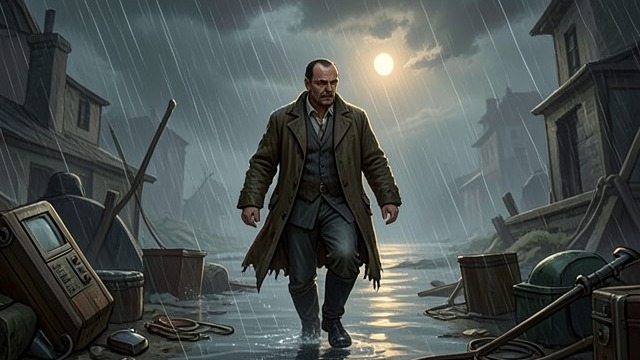
Beyond the Clock
Sudden Transition
The patient’s earthly sequence ends, and the years Screwtape hoped to use never arrive. The demon’s plan had depended on time as a campaign resource.
Eternity
The ending presents the patient’s final passage as entry into a reality that exceeds temporal calculation. Time was not his possession, but its moments were still his opportunities for choice.
When Screwtape analyzes the patient’s peevishness
During an unexpected visit or social interruption
During the patient’s wartime uncertainty
During the first air raid
At the patient’s death
